Ann Arbor top home remodeling contractor for Beautiful Home Transformations
Ann Arbor top home remodeling contractor for Beautiful Home Transformations
Blog Article
Home Redesign: Convert Your Space Into Your Desired Home
Home renovation offers a practical approach to improving both functionality and visual appeal in living spaces. It enables homeowners to personalize their spaces and possibly increase property value. However, attaining the desired results requires thorough planning and commitment to a budget. Comprehending design styles and selecting the right contractors are essential steps in this process. As homeowners start this journey, they must consider what they truly wish to achieve. The path ahead holds several significant factors to explore.
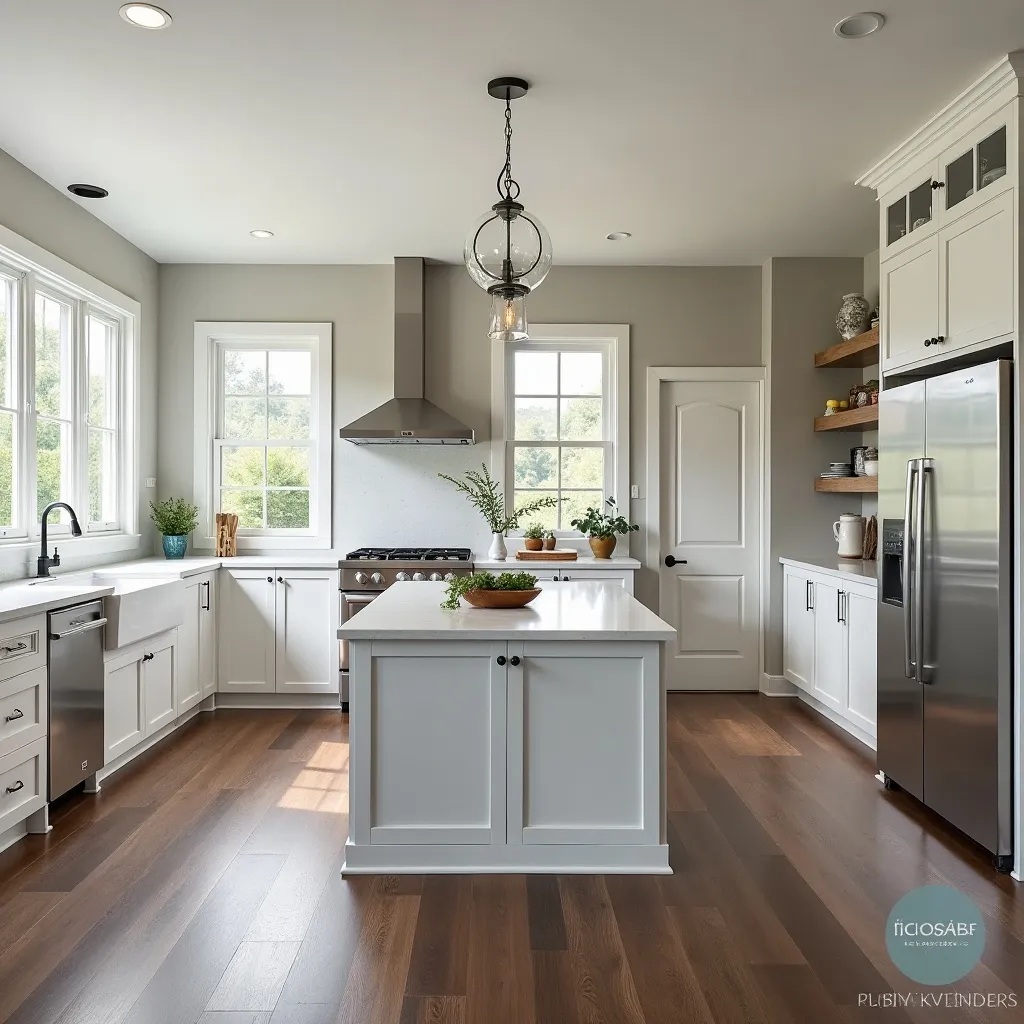
What Goals Do You Have for Your Home Renovation?
What objectives does one have in consideration when beginning a home renovation undertaking? People often seek to improve functionality, upgrade aesthetics, or boost property value. Some may desire a more open layout to foster social interactions, while others aim to create a tranquil retreat within their home. Specific objectives can include updating outdated spaces, adding energy-efficient elements, or expanding living areas to accommodate growing families.
Furthermore, a property owner might want to customize their space to reflect their style and tastes, creating it a true representation of themselves. Safety and ease of access can also be important considerations, particularly for those with aging family members or disabilities. In the end, the objectives of a renovation project serve as the foundation for decision-making, directing selections in design, finishes, and overall implementation. Understanding these aspirations is essential for achieving a successful transformation that meets both practical needs and personal desires.
Methods to Allocating Resources for Your Home Remodeling Project
Budgeting for a home renovation project demands meticulous preparation and attention. It is essential to establish an overall budget, prioritize essential upgrades, and account for unforeseen costs that may occur. By approaching the budgeting procedure systematically, homeowners can achieve their goals without monetary strain.
Determine Your Overall Budget
Before initiating a home remodeling project, it is necessary to create consult this source an comprehensive budget that corresponds with both budgetary limits and renovation goals. Homeowners should start by evaluating their finances to understand how much they can appropriately allocate for the project. This includes analyzing savings, income, and possible financing options. It is also important to include unexpected expenses, typically 10-20% of the total budget, to tackle unforeseen issues that may surface during remodeling. Additionally, homeowners should research the costs pertaining to various materials and labor in their area, allowing informed decisions. By setting a clear budget, property owners can maintain focus on their remodeling goals and avoid the stress of overspending.
Prioritize Vital Upgrades
After setting a solid budget, homeowners can turn their focus to identifying which upgrades that can deliver the most advantage and utility in their space. The process of prioritizing important upgrades includes reviewing areas requiring immediate work, such as old plumbing or electrical components, which might present safety issues. Since kitchen and bathroom renovations often provide great returns on investment, it is wise to allocate funds for modernizing these sections of the home. Furthermore, boosting energy efficiency via windows, insulation, or appliances helps cut long-term costs. Homeowners must also take into account lifestyle needs, including designing open spaces for family gatherings or specific work areas. Homeowners maximize remodeling impact and keep within budget by thoughtfully choosing upgrades that fit both present demands and future aspirations.
Account For Unexpected Costs
Preparing for unexpected costs is vital for homeowners embarking on a renovation project. Budgets can quickly become strained when unforeseen issues surface, including structural problems, aging electrical systems, or concealed moisture issues. Experts suggest reserving an additional 10 to 20 % of the total budget to account for these contingencies. Homeowners should also consider possible cost variations in materials and labor. Researching area contractors and securing several quotes can offer a clearer picture of anticipated costs. Additionally, keeping clear dialogue with construction professionals throughout the project helps identify and address problems promptly. By proactively accounting for these unexpected costs, property owners can guarantee that their renovation project stays on track, ultimately renovating their home without budget stress.
Which Style Themes Fit Your Home Renovation?
In the realm of home remodeling, design styles play an essential part in shaping the overall appearance. Homeowners can choose from a range of options, including modern minimalist aesthetics, cozy rustic charm, and elegant traditional touches. Each style brings its own unique character, influencing both the atmosphere and functionality of the space.
Up-to-date Minimalist Design Elements
Contemporary minimalist aesthetic provides an invigorating approach to house renovation, characterized by straightforwardness and functionality. This aesthetic approach emphasizes open spaces, straight edges, and a subdued selection of colors, often presenting muted shades that create a sense of calm. Furnishings and decor are intentionally chosen, yielding an clean setting that enhances overall equilibrium. Organic elements, such as lumber and stone, regularly function in a significant capacity, contributing warmth while maintaining a sleek appearance. Light sources is carefully designed, frequently utilizing sizeable glass openings to maximize natural light. In a contemporary simple home, each detail has a function, adding to a cohesive look that reflects the homeowner's values of clarity and productivity. This design promotes tranquility, rendering it ideal for modern everyday life.
Comfortable Rustic Charm
Embracing the essence of comfort and ease, cozy rustic charm stands as a favored choice for homeowners seeking a more inviting atmosphere. This decor approach often includes natural materials, such as reclaimed wood, stone, and soft textiles, creating an organic feel. Earthy color palettes—think warm browns, soft greens, and muted reds—enhance the bond to nature.
Key ingredients comprise exposed beams, oversized furniture, and classic embellishments, which produce a nostalgic atmosphere. Fireplaces operate as key features, gathering families together in a easygoing space. Additionally, blending up-to-date facilities with rustic elements allows functionality without diminishing charm. Overall, warm rustic style refashions spaces into tranquil retreats, making it an compelling choice for those intending to imbue their homes with soul and coziness.
Elegant Traditional Elements
While many homeowners seek ease through rustic designs, others find allure in the refined charm of traditional styles. This design approach stresses perennial elements such as fancy trims, classic furnishings, and rich color palettes. Traditional spaces often highlight symmetrical layouts and orderly setups, creating a sense of neatness and sophistication. Incorporating antique or classic pieces can enhance authenticity, while rich textiles like silk and velvet add complexity and dimension. Architectural components, such as decorative ceilings and paneling, contribute to an overall sense of magnificence. Homeowners embracing this style often favor comfortable, inviting spaces that express their heritage or personal history, rendering traditional design a enduring choice for those seeking to create a sense of elegance in their remodeled homes.
Methods to Find the Appropriate Companies for Your Home Remodeling?
Picking the right contractors for home remodeling can substantially affect the success of a project. Homeowners should start by researching local contractors and confirming their qualifications, including certifications and insurance. Reading online reviews and seeking recommendations from friends or family can deliver helpful information into a contractor's credibility.
Following this, it's vital to meet with multiple candidates to measure their communication abilities and professional standards. Property owners should request in-depth estimates and project timelines to maintain clarity. A skilled builder should be ready to respond to inquiries and provide a clear picture of the project scope.
Additionally, reviewing completed undertakings or portfolios can benefit homeowners assess a contractor's style and proficiency of work. Finally, faith and mutual understanding are important; a contractor's temperament and cooperation to team up can considerably influence the remodeling experience. By adopting these practices, homeowners can render sound determinations that align with their aspiration for their dream home.
What Are Essential Suggestions for a Successful Home Remodeling?
How can homeowners ensure a positive home remodeling venture? First, creating a well-defined plan is essential. Property owners should outline their goals and priorities, making sure all stakeholders understand the intended result. Next, setting a practical financial plan helps reduce unexpected costs. It is crucial to include a reserve fund for unforeseen complications.
Clear communication with construction professionals is essential; property owners must articulate their needs and expectations clearly. Consistent updates and site visits can improve this interaction. Additionally, studying products and styles will empower property owners to make informed decisions, weighing visual appeal and practicality.
In conclusion, acquiring necessary permits confirms adherence to local regulations, preventing future setbacks. By following these suggestions, homeowners can handle the complexities of renovation, ultimately turning their area into a dream home.
How to Care for Your Newly Remodeled Home?
Once committing effort and capital into a home remodel, homeowners must prioritize regular maintenance to preserve their recently revamped space. Consistent cleaning is imperative; using appropriate products for assorted materials will avert damage and wear. For instance, hardwood floors require particular products that shield the finish, while countertops may require specialized care to avoid stains.
Moreover, property owners should perform seasonal inspections to resolve any concerns in advance. This includes checking for leaks, maintaining HVAC systems, and ensuring outdoor drainage is functioning correctly. Routine upkeep of appliances and fixtures will also extend their lifespan.
Furthermore, it is prudent to establish a maintenance timetable, noting tasks such as touching up paint or resealing surfaces when required. By applying effort in these routines, homeowners can maintain the beauty and functionality of their remodeled spaces, in the long run increasing their property’s value and comfort for the coming years.
Frequently Asked Questions
What Timeframe Should You Expect for a Standard Home Remodeling Project?
A common home remodeling project can span anywhere from a few weeks to several months, contingent on the scope, difficulty, and dimension of the renovation. Each project changes based on unique specifications and unforeseen challenges.
What Licenses Are Required for Home Remodeling?
Commonly, certifications needed for residential remodeling include building, electrical, plumbing, and mechanical permits. Local ordinances may vary, so it's important for homeowners to consult their municipality to confirm adherence with all necessary requirements and standards.
What Approaches Can Assist Me Reduce Disturbances During Remodeling?
To reduce disruptions during remodeling, one can create open dialogue with contractors, set defined scheduling, designate a separate living area, and keep a tidy workspace. Planning ahead helps ensure a smoother remodeling process.
What Are Typical Mistakes to Avoid in Remodeling?
Typical pitfalls to steer clear of in renovation include miscalculating costs, disregarding licensing, bypassing thorough planning, choosing the wrong materials, overlooking timelines, and failing to communicate effectively with contractors, which can result in expensive postponements and unsatisfactory outcomes.
How Should I Control Unexpected Costs Throughout the Renovation Process?
To manage unforeseen costs during renovation, one should establish a emergency fund, discuss freely with contractors, prioritize essential improvements, and remain flexible in decision-making. This strategy assists with managing budgets and minimizes stress throughout the process.
Report this page